
¡Comprá más y acumulá beneficios! >$150.000 → 3 cuotas sin interés / >$300.000 → Envío GRATIS
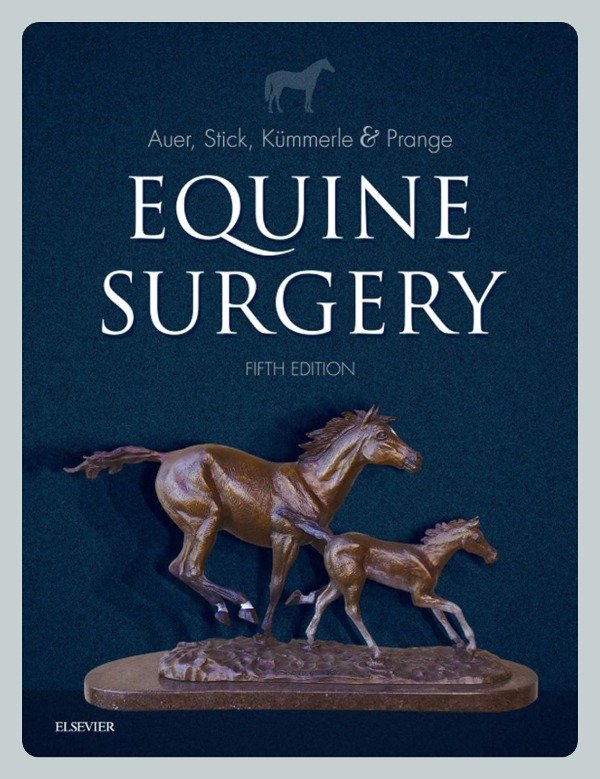
Contents:
Section I: Surgical Biology
1. Shock: Pathophysiology, Diagnosis, Treatment, and Physiologic Response to Trauma
2. The Systemic Inflammatory Response
3. Fluids, Electrolytes, and Acid-Base Therapy
4. Hemostasis, Surgical Bleeding, and Transfusion
5. Wound Healing
6. Metabolism and Nutritional Support of the Surgical Patient
7. Surgical Site Infection
8. Regenerative Medicine
Section II: Surgical Methods
9. Hygiene in the Surgical Area: Surgical Textiles, Instrument, Processing, Antiseptics and Disinfection
10.Preparation of Surgery: Decision Making / Operative Risk, Patient, Facility, Operating Team, Report
11.Surgical Instruments
12.Surgical Techniques
13.Minimally Invasive Surgical Techniques
14.Cryosurgery
15.Lasers in Veterinary Surgery
16.Suture Materials and Patterns,
17.Drains, Bandages, and External Coaptation
Section III: Recent Advances in Anesthesia
18.Balanced Inhalation Anesthesia
19.Modern Injection Anesthesia for Horses
20.Anesthesia and Analgesia for Foals
21.Recovery from Anesthesia
22.Complications of Inhalation Anesthesia and Their Management
23.Chemical Restraint for Standing Procedures
24.Equine Pain Management
Section IV: Integumentary System
25.Principles of Plastic and Reconstructive Surgery
26.Skin Grafting
27.Management of Superficial Wounds, Deep and Chronic Wounds, Sinus Tracts, and Fistulas
28.Skin Conditions Amenable to Surgery
Section V: Alimentary System
Upper Alimentary System
29.Oral Cavity and Salivary Glands
30.Esophagus
31.Stomach and Duodenum
32.Spleen and Liver
Lower Alimantary System
33.Colic: Diagnosis, Surgical Decision, Preoperative Management, and Surgical Approaches to the Abdomen
34.Principles of Intestinal Surgery and Determination of Intestinal Viability
35.Jejunum and Ileum
36.Cecum
37.Large Colon
38.Transverse and Small Colon
39.Rectum and Anus
40.Abdominal Hernias
41.Postoperative Care, Complications, And Reoperation Of The Colic Patient
Section VI: Respiratory System
42.Overview of the Upper Airway Function
43.Diagnostic Techniques in Equine Upper Respiratory Tract Disease
44.Nasal Passages and Paranasal Sinuses
45.Pharynx
46.Larynx
47.Guttural Pouch
48.Trachea
49.Thoracic Disorders
Section VII: Nervous System
50.Anatomy and Physiology of the Nervous System
51.Diagnostic Procedures
52.Pharmaceutical Considerations for Treatment of the Central Nervous System
53.Vertebral Column and Spinal Cord
54.Neurocranium and Brain
55.Peripheral Nerve Injuries
Section VIII: Eye and Adnexa
56.Surgery of the Globe and Orbit
57.Adnexal Surgery
58.Surgery of the Ocular Surface
59.Intraocular Surgery
Section IX: Reproductive System
60.Testis
61.Penis and Prepuce
62.Vulva, Vestibule, Vagina and Cervix
63.Uterus and Ovaries
Section X: Urinary System
64.Diagnostic Techniques and Principles of Urinary Tract Surgery
65.Kidneys and Ureters
66.Bladder
67.Urethra
Section XI: Diagnostic Imaging
68.Radiology
69.Ultrasonography
70.Nuclear Scintigraphy
71.Computed Tomography
72.Magnetic Resonance Imaging
Section XII: Musculoskeletal System
73.Diagnostic and Regional Surgical Anesthesia of the Limbs and Axial Skeleton
74.Emergency Treatment and Transportation of Equine Fracture Patients
75.Bone Biology and Fracture Healing
76.Metallic Instruments and Implants
77.Principles of Fracture Treatment
78.Bone Grafts and Bone Replacements
79.Synovial Joint Biology and Pathobiology
80.Medical Treatment of Joint Disease
81.Surgical Treatment of Joint Disease
82.Arthrodesis Techniques
83.Management of Bursitis
84.Diagnosis and Management of Tendon and Ligament Disorders
85.Biology and Management of Muscle Disorders and Diseases
86.Synovial and Osseous Infections
87.Angular Limb Deformities
88.Flexural Limb Deformities
89.Osteochondrosis Dissecans
90.Subchondral Bone Cysts (SCLs)
91.Foot
92.Phalanges and Metacarpophalangeal and Metatarsophalangeal Joints
93.Third Metacarpal / Metatarsal Bones
94.Vestigial Metacarpal and Metatarsal Bones
95.Carpus
96.Radius and Ulna
97.Humerus
98.Shoulder
99.Tarsus
100.Tibia
101.Stifle
102.Femur and Pelvis
103.Temporomandibular Joint Disorders
104.Craniomaxillofacial Disorders
105.Postoperative Rehabilitation for the Orthopedic Patient
Contents:
Section I: Surgical Biology
1. Shock: Pathophysiology, Diagnosis, Treatment, and Physiologic Response to Trauma
2. The Systemic Inflammatory Response
3. Fluids, Electrolytes, and Acid-Base Therapy
4. Hemostasis, Surgical Bleeding, and Transfusion
5. Wound Healing
6. Metabolism and Nutritional Support of the Surgical Patient
7. Surgical Site Infection
8. Regenerative Medicine
Section II: Surgical Methods
9. Hygiene in the Surgical Area: Surgical Textiles, Instrument, Processing, Antiseptics and Disinfection
10.Preparation of Surgery: Decision Making / Operative Risk, Patient, Facility, Operating Team, Report
11.Surgical Instruments
12.Surgical Techniques
13.Minimally Invasive Surgical Techniques
14.Cryosurgery
15.Lasers in Veterinary Surgery
16.Suture Materials and Patterns,
17.Drains, Bandages, and External Coaptation
Section III: Recent Advances in Anesthesia
18.Balanced Inhalation Anesthesia
19.Modern Injection Anesthesia for Horses
20.Anesthesia and Analgesia for Foals
21.Recovery from Anesthesia
22.Complications of Inhalation Anesthesia and Their Management
23.Chemical Restraint for Standing Procedures
24.Equine Pain Management
Section IV: Integumentary System
25.Principles of Plastic and Reconstructive Surgery
26.Skin Grafting
27.Management of Superficial Wounds, Deep and Chronic Wounds, Sinus Tracts, and Fistulas
28.Skin Conditions Amenable to Surgery
Section V: Alimentary System
Upper Alimentary System
29.Oral Cavity and Salivary Glands
30.Esophagus
31.Stomach and Duodenum
32.Spleen and Liver
Lower Alimantary System
33.Colic: Diagnosis, Surgical Decision, Preoperative Management, and Surgical Approaches to the Abdomen
34.Principles of Intestinal Surgery and Determination of Intestinal Viability
35.Jejunum and Ileum
36.Cecum
37.Large Colon
38.Transverse and Small Colon
39.Rectum and Anus
40.Abdominal Hernias
41.Postoperative Care, Complications, And Reoperation Of The Colic Patient
Section VI: Respiratory System
42.Overview of the Upper Airway Function
43.Diagnostic Techniques in Equine Upper Respiratory Tract Disease
44.Nasal Passages and Paranasal Sinuses
45.Pharynx
46.Larynx
47.Guttural Pouch
48.Trachea
49.Thoracic Disorders
Section VII: Nervous System
50.Anatomy and Physiology of the Nervous System
51.Diagnostic Procedures
52.Pharmaceutical Considerations for Treatment of the Central Nervous System
53.Vertebral Column and Spinal Cord
54.Neurocranium and Brain
55.Peripheral Nerve Injuries
Section VIII: Eye and Adnexa
56.Surgery of the Globe and Orbit
57.Adnexal Surgery
58.Surgery of the Ocular Surface
59.Intraocular Surgery
Section IX: Reproductive System
60.Testis
61.Penis and Prepuce
62.Vulva, Vestibule, Vagina and Cervix
63.Uterus and Ovaries
Section X: Urinary System
64.Diagnostic Techniques and Principles of Urinary Tract Surgery
65.Kidneys and Ureters
66.Bladder
67.Urethra
Section XI: Diagnostic Imaging
68.Radiology
69.Ultrasonography
70.Nuclear Scintigraphy
71.Computed Tomography
72.Magnetic Resonance Imaging
Section XII: Musculoskeletal System
73.Diagnostic and Regional Surgical Anesthesia of the Limbs and Axial Skeleton
74.Emergency Treatment and Transportation of Equine Fracture Patients
75.Bone Biology and Fracture Healing
76.Metallic Instruments and Implants
77.Principles of Fracture Treatment
78.Bone Grafts and Bone Replacements
79.Synovial Joint Biology and Pathobiology
80.Medical Treatment of Joint Disease
81.Surgical Treatment of Joint Disease
82.Arthrodesis Techniques
83.Management of Bursitis
84.Diagnosis and Management of Tendon and Ligament Disorders
85.Biology and Management of Muscle Disorders and Diseases
86.Synovial and Osseous Infections
87.Angular Limb Deformities
88.Flexural Limb Deformities
89.Osteochondrosis Dissecans
90.Subchondral Bone Cysts (SCLs)
91.Foot
92.Phalanges and Metacarpophalangeal and Metatarsophalangeal Joints
93.Third Metacarpal / Metatarsal Bones
94.Vestigial Metacarpal and Metatarsal Bones
95.Carpus
96.Radius and Ulna
97.Humerus
98.Shoulder
99.Tarsus
100.Tibia
101.Stifle
102.Femur and Pelvis
103.Temporomandibular Joint Disorders
104.Craniomaxillofacial Disorders
105.Postoperative Rehabilitation for the Orthopedic Patient